
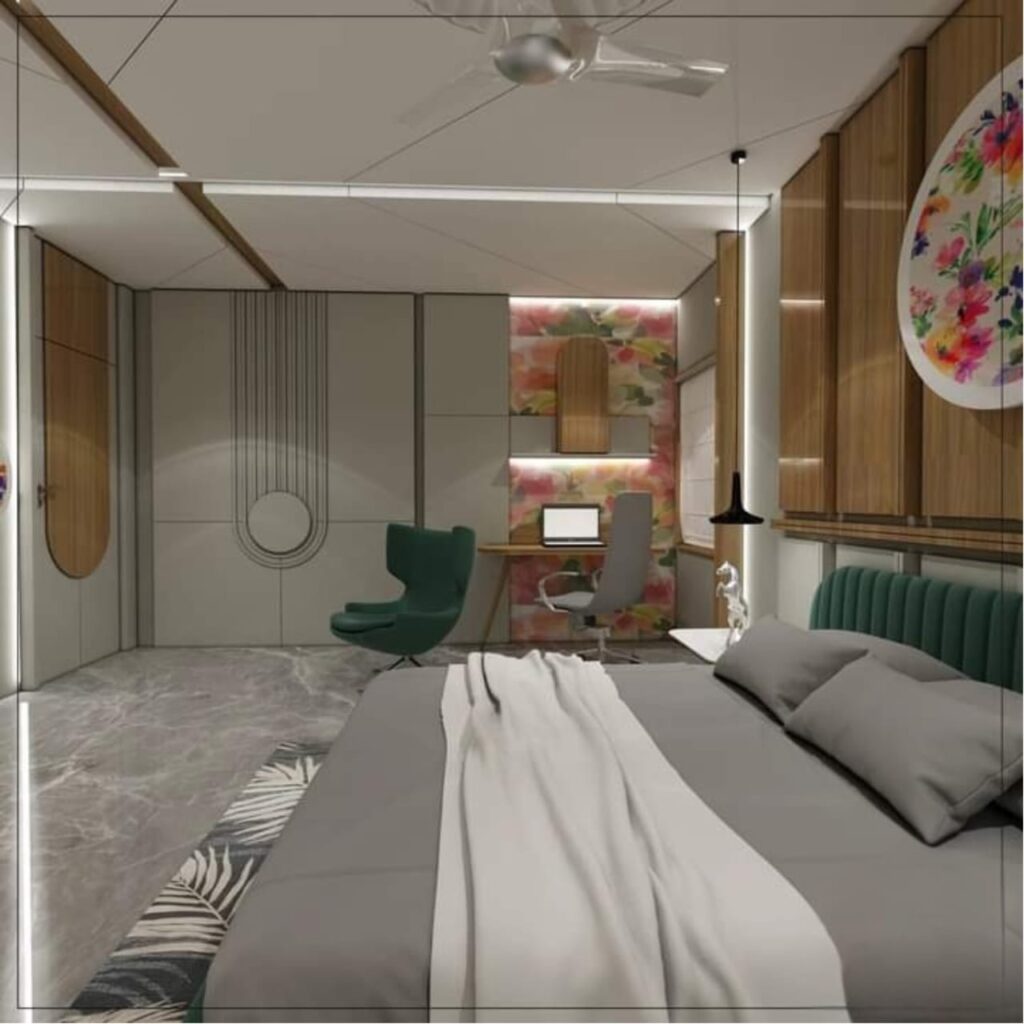
Designing a home is not simply about choosing attractive furniture, stylish wall colours, or the latest décor trends. A successful home interior needs to support the way you live every day. It should provide enough storage, allow comfortable movement, create the right atmosphere, and reflect your personal preferences without sacrificing practicality.
That is why choosing the right interior designer in Vadodara can have a major influence on the final result. Whether you are moving into a new apartment, renovating an existing home, or planning a complete transformation, professional design can help bring structure to the process.
From compact apartments to spacious family homes, every property has different requirements. A well-planned interior considers the available space, the number of people using it, storage needs, lighting, furniture, materials, and budget before execution begins.
The goal is not simply to create a home that looks good on the day it is completed. It is to create a space that continues to feel comfortable, organized, and functional as everyday life unfolds.
Start by Understanding How Your Home Needs to Work
The strongest interior designs usually begin with practical questions rather than decorative decisions.
How many people will live in the home? Do you need a dedicated workspace? How much wardrobe and kitchen storage is required? Do you frequently entertain guests? Are there children who need study and activity areas? Which rooms receive the most natural light?
These details influence the entire planning process.
For example, a family that spends most of its time in the living room may need flexible seating and integrated storage. Someone who works remotely may require a dedicated study area with appropriate lighting and electrical points. A homeowner who enjoys cooking may prioritize efficient kitchen layouts and accessible storage.
A professional interior designer in Vadodara can translate these requirements into a layout that supports your actual lifestyle rather than simply following a standard design template.
Turning Available Space into a More Comfortable Home
Good design is particularly valuable when space needs to perform multiple functions.
An apartment may have limited floor area but still need to accommodate a living space, dining area, storage, workspace, and comfortable bedrooms. Simply adding more furniture is rarely the answer.
Instead, thoughtful planning can improve how the available area is used.
Built-in wardrobes can make better use of vertical space. Multifunctional furniture can serve more than one purpose. Wall-mounted units can reduce unnecessary floor occupation, while customized storage can make use of corners and awkward spaces.
The aim is not to fill every empty area. A well-designed home also needs visual breathing room and comfortable circulation.
When furniture dimensions, storage requirements, and movement paths are planned together, even a compact home can feel considerably more organized and open.
Creating a Home That Balances Style and Everyday Function
Beautiful interiors are not necessarily practical interiors.
A large sofa may look impressive but leave insufficient space to move around the living room. An attractive kitchen may become inconvenient if frequently used items are stored in the wrong places. A wardrobe may provide plenty of storage while making a bedroom feel unnecessarily crowded.
This is where professional planning becomes important.
The principle behind Find the Right Interior Designer in Surat for Your Dream Home | Nirveen Interior is relevant to homeowners in Vadodara as well. Choosing the right professional means finding someone who can understand both the visual direction you want and the practical requirements your home needs to meet.
Good interior design should bring these priorities together.
Furniture, lighting, colours, storage, materials, and decorative details should complement the layout instead of competing with it. The finished home should feel natural to use rather than requiring you to adjust your routines around the design.
Planning Living Spaces for Comfort and Flexibility
The living room often has to perform several functions. It may be used for relaxing, watching television, spending time with family, hosting guests, or even working occasionally.
A successful layout starts with proportion.
Furniture should suit the dimensions of the room. There should be enough seating without blocking circulation, and storage should be integrated without overwhelming the visual space.
A customized TV unit can provide concealed storage while becoming a focal point. Carefully positioned seating can define different areas in an open layout. Layered lighting can allow the room to feel bright when needed and more relaxed during the evening.
The best living spaces are not necessarily the ones with the most furniture or decoration. They are the ones where every element has a clear purpose.
Designing Kitchens Around Everyday Habits
The kitchen is one of the most frequently used spaces in any home, making functionality essential.
A well-planned kitchen considers the relationship between preparation, cooking, cleaning, appliances, and storage. Frequently used utensils should be easy to reach, while larger appliances and less frequently used items can be stored separately.
Cabinet layouts, drawer sizes, countertop space, corner storage, appliance placement, lighting, and material selection all influence everyday convenience.
A family that cooks regularly may have completely different requirements from someone who uses the kitchen only occasionally. This is why customization matters.
The right layout should reflect the habits of the people using the space rather than simply following a standard arrangement.
Making Bedrooms Feel Calm and Organized
Bedrooms should provide comfort and privacy, but they also need to accommodate everyday storage requirements.
The position of the bed, wardrobe, side tables, dressing area, study unit, and windows should be considered together. Poor furniture placement can make even a reasonably sized bedroom feel restrictive.
Built-in wardrobes can maximize storage while maintaining cleaner visual lines. Overhead cabinets can provide space for seasonal belongings. Under-bed storage can be useful for items that are not required every day.
Lighting also plays an important role. General illumination, bedside lighting, and focused lighting around dressing or study areas can make the room more practical.
A calm bedroom does not require excessive decoration. Good proportions, suitable materials, effective storage, and balanced lighting can often create a stronger sense of comfort.
Understanding 2 BHK Interior Design Cost in Vadodara
Homeowners planning a new interior often want to know the expected 2 bhk interior design cost in Vadodara. However, the final budget can vary significantly depending on the scope of the project.
Important factors include:
- Total size of the property
- Number of rooms being designed
- Kitchen requirements
- Wardrobe and storage needs
- Level of furniture customization
- Material and finish selection
- False ceiling and lighting work
- Flooring or renovation requirements
- Hardware and accessories
- Labour and execution complexity
A 2 BHK project focused mainly on essential furniture and storage will have different requirements from a complete renovation involving customized furniture, premium materials, false ceilings, wall treatments, and lighting throughout the property.
The best approach is to establish priorities early. Homeowners can invest more heavily in areas that receive regular use, such as kitchen cabinetry, wardrobes, and durable furniture, while choosing more economical solutions for elements that can be upgraded later.
Factors That Influence 3 BHK Interior Design Cost in Vadodara
The 3 bhk interior design cost in Vadodara can also vary considerably because a larger home usually involves more rooms, furniture, storage, and customization.
However, property size is only one part of the equation.
The final budget may be influenced by the complexity of the design, the materials selected, the amount of custom carpentry, the number of wardrobes, the kitchen configuration, furniture requirements, lighting plans, and structural modifications.
A larger budget does not automatically guarantee better design.
Effective planning is equally important. A carefully designed home with practical materials and intelligent space utilization can provide greater long-term value than an expensive interior filled with unnecessary features.
Before beginning, it is useful to define which parts of the home require maximum customization and where standardized or simpler solutions can be used.
Choosing Materials That Will Work Beyond Current Trends
Material selection affects both appearance and long-term maintenance.
Different parts of a home experience different levels of use. Kitchen surfaces need to handle regular cleaning and moisture. Flooring in busy areas needs durability. Wardrobe finishes should withstand frequent use, while bathroom materials need to perform appropriately in humid conditions.
Laminates, veneers, engineered wood, quartz, natural stone, glass, metal, and decorative finishes can all contribute to a successful interior when used appropriately.
The right choice depends on several factors:
- Location of use
- Expected wear
- Maintenance requirements
- Overall design style
- Available budget
- Desired lifespan
Following trends can be useful for inspiration, but permanent elements are generally better when chosen for long-term appeal. More experimental styles can be introduced through artwork, furnishings, textiles, accessories, and lighting that can be changed more easily.
How to Identify the Best Interior Designer in Vadodara
There is no single formula for choosing the best interior designer in Vadodara because different homeowners have different requirements.
Someone designing a compact apartment may prioritize space optimization and storage. Another homeowner may be focused on premium finishes and highly customized furniture. A family may need durable and practical interiors, while another client may prefer a more distinctive visual style.
When evaluating designers, look beyond attractive project photographs.
Consider whether they:
- Understand your lifestyle requirements
- Have experience with similar properties
- Offer customized planning
- Explain material options clearly
- Consider storage and functionality
- Communicate project expectations properly
- Understand execution and installation
- Can work within the available budget
A good portfolio is useful, but communication and planning ability are equally important.
The right designer should be able to explain why a particular solution is appropriate for your home instead of simply recommending the same approach to every client.
Looking Beyond Lists of the Top 10 Interior Designers in Vadodara
Homeowners often search for the top 10 interior designers in Vadodara as a starting point. Lists can be useful for discovering available options, but they should not be the only factor influencing your decision.
The most suitable designer for your project may depend on your specific needs rather than their position on a list.
Review portfolios that match the size and style of your home. Ask about the design process and execution responsibilities. Understand what is included in the project scope and how changes will be managed.
It is also useful to discuss practical details before making a decision:
- Who manages the project?
- How are design revisions handled?
- How are materials selected?
- Who coordinates contractors?
- How are site issues managed?
- What is included in the quoted scope?
- How are additional requirements communicated?
These details can have a major impact on the overall experience.
Lighting Should Be Part of the Initial Design
Lighting is often treated as a finishing detail, but it can significantly affect both the appearance and functionality of a home.
A well-planned lighting scheme usually combines several layers.
Ambient lighting provides general illumination. Task lighting supports specific activities such as cooking, reading, or working. Accent lighting can highlight artwork, textured surfaces, shelving, or architectural features.
Different rooms require different approaches.
A kitchen may need stronger task lighting around work surfaces. A study area requires focused illumination. Bedrooms generally benefit from softer lighting options, while living spaces can use multiple layers to adapt to different activities.
Natural light should also be considered when planning furniture and window treatments.
When lighting is integrated into the design from the beginning, it can make the interior more comfortable and flexible.
Creating Storage Before Clutter Becomes a Problem
Storage is one of the most important yet frequently underestimated aspects of residential interior design.
A home needs space for more than furniture. Clothing, shoes, documents, books, appliances, cleaning supplies, electronics, luggage, and everyday items all need to be considered.
Integrated solutions may include:
- Full-height wardrobes
- Loft storage
- Customized TV units
- Modular kitchen cabinets
- Study storage
- Concealed compartments
- Under-bed drawers
- Wall-mounted shelving
- Multipurpose furniture
The best storage solutions are designed around what the homeowner actually owns.
Instead of creating cabinets simply to fill a wall, a professional designer can consider what needs to be stored and develop suitable dimensions and internal configurations.
Bringing Different Rooms Together Through a Cohesive Design
A home should feel connected even when different rooms have different functions.
Using completely unrelated colours, materials, and styles throughout the property can make the interior feel fragmented. At the same time, making every room identical can make the home feel repetitive.
A better approach is to create subtle connections.
A wood finish used in the living room can appear again in bedroom furniture. Similar hardware can be used across wardrobes and cabinets. Accent colours can be repeated through artwork, cushions, rugs, or smaller decorative elements.
These connections create visual continuity without eliminating the individual personality of each room.
Making the Final Interior Feel Personal
Professional design should provide structure, not remove individuality.
Personal photographs, artwork, books, travel souvenirs, heirloom furniture, collections, and favourite colours can all contribute to a more distinctive home.
These elements help prevent the finished space from looking like a generic showroom.
The role of the designer is to integrate personal details into the larger design so they feel intentional and visually balanced.
A successful interior should ultimately reflect the people living in it.
Why Nirveen Interior Designer Can Support Your Home Design Journey
Every home has different spatial challenges, and every homeowner has different expectations. Nirveen Interior Designer focuses on creating interiors that combine functionality, aesthetics, personalization, and thoughtful planning.
The approach considers available space, lifestyle requirements, storage needs, preferred design direction, material choices, and practical priorities before developing the interior concept.
From furniture layouts and customized storage to lighting, materials, and room planning, the different elements can work together as part of a cohesive design.
For homeowners searching for an interior designer in Vadodara, the objective should not simply be to create an attractive home. It should be to create an environment that remains comfortable, organized, and practical over time.
Conclusion
Choosing the right interior designer in Vadodara can make the process of designing or renovating a home more structured and purposeful. A successful interior brings together efficient space planning, practical storage, suitable materials, comfortable furniture, effective lighting, and personal style. Whether you are comparing the best interior designer in Vadodara, estimating the 2 bhk interior design cost in Vadodara, understanding the 3 bhk interior design cost in Vadodara, or exploring options beyond lists of the top 10 interior designers in Vadodara, the right choice should be based on how well a designer understands your specific requirements. With a personalized approach to residential interiors, Nirveen Interior Designer helps create homes that are designed not just to look appealing, but to support everyday life.
Frequently Asked Questions
1. What services does an interior designer in Vadodara typically provide?
An interior designer may assist with space planning, furniture layouts, customized storage, material selection, lighting, colour coordination, modular furniture, and execution. The exact services depend on the scope of the project and the homeowner’s requirements.
2. How can I choose the best interior designer in Vadodara?
Review portfolios, discuss your lifestyle and design preferences, understand the project process, and evaluate communication and execution capabilities. The right designer should offer solutions suited to your specific property rather than relying on a standard approach.
3. What affects the 2 bhk interior design cost in Vadodara?
The cost depends on the property size, level of customization, kitchen and wardrobe requirements, materials, furniture, lighting, and overall scope of work. A basic furnishing project will have a different budget from a complete customized interior.
4. Why does the 3 bhk interior design cost in Vadodara vary between projects?
The number of rooms, furniture requirements, materials, customization, storage, lighting, and renovation work can all affect the total cost. The design style and level of finishing can also significantly influence the final budget.
5. Should I select a designer only from the top 10 interior designers in Vadodara?
Not necessarily. Lists can help you discover options, but the best choice depends on your budget, property type, preferred style, and project requirements. Reviewing relevant experience and discussing the design process is more useful than relying only on rankings.
6. When should I hire an interior designer for a new home?
It is generally beneficial to involve a designer before major construction, electrical, or furniture decisions are finalized. Early planning can help coordinate layouts, storage, lighting, materials, and functional requirements more effectively.