
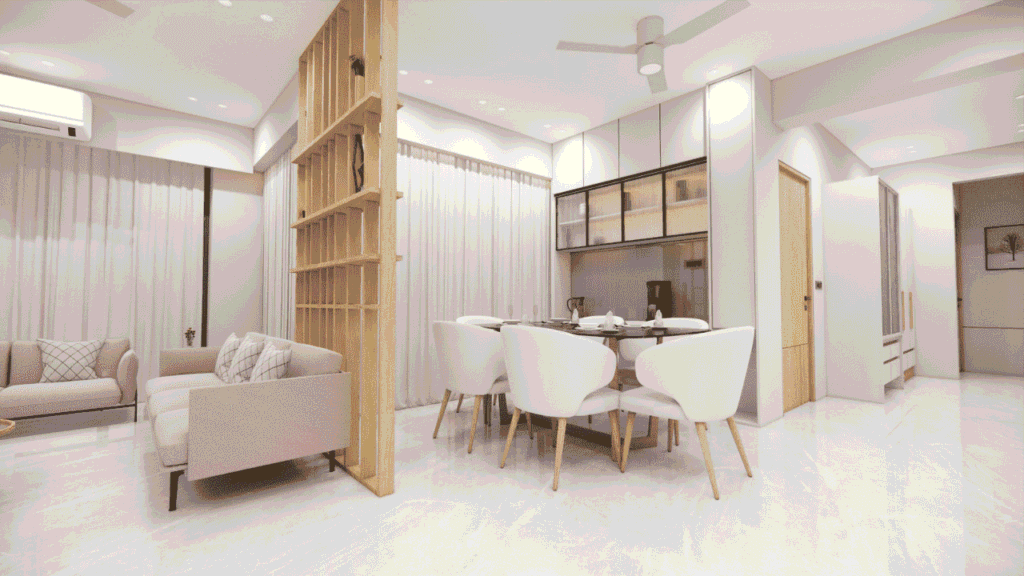
A home should feel comfortable before it feels impressive. The right furniture, colours, lighting, storage, and finishes can certainly make a property attractive, but thoughtful planning is what turns those individual elements into a space that works as a whole. For homeowners planning a new residence or renovating an existing one, choosing the right interior designer in Ahmedabad can help bring together aesthetics, functionality, and personal preferences without compromising on practicality.
Ahmedabad’s residential landscape includes compact apartments, spacious 2BHK and 3BHK homes, independent houses, villas, and larger family residences. Each property presents different opportunities and challenges. A successful interior needs to respond to the available floor area, natural light, family requirements, architectural features, and budget rather than relying on a standard design formula.
Professional design is therefore less about following a particular trend and more about making informed decisions. When space planning, storage, lighting, materials, furniture, and décor are considered together, even an ordinary floor plan can become a comfortable and highly functional home.
What Does an Interior Designer Actually Do?
An interior designer’s role extends well beyond choosing colours and furniture. The designer needs to understand how a space will be used and then translate that understanding into a practical layout and cohesive visual direction.
The process can involve:
- Understanding the homeowner’s lifestyle and preferences
- Studying the property’s layout and dimensions
- Planning furniture placement
- Optimizing circulation
- Designing storage
- Selecting materials and finishes
- Developing lighting concepts
- Coordinating colours and textures
- Planning customized furniture
- Supporting execution and installation
This broader approach is what separates professional interior design from simply decorating a room.
For example, a designer planning a living room needs to consider television placement, seating, walking space, electrical points, natural light, storage, and the relationship between the living room and adjoining areas. A visually attractive sofa arrangement is not useful if it blocks circulation or leaves insufficient space for other essential elements.
Why Professional Interior Planning Matters
Many interior problems become difficult and expensive to fix once construction or installation has already started. Poorly positioned electrical points, insufficient wardrobe space, incorrectly sized furniture, and inadequate kitchen storage can all affect everyday convenience.
Professional planning addresses these issues before execution.
A designer can identify how much storage is genuinely required, where furniture should be positioned, which areas need stronger lighting, and which materials are appropriate for frequent use. This creates a clearer roadmap for the project and reduces unnecessary changes later.
Good planning also helps maintain consistency. Instead of having one room look completely different from another, colours, materials, furniture styles, and lighting can be coordinated throughout the property.
Designing Different Homes for Different Lifestyles
There is no universal definition of a perfect home.
A family with children may need durable surfaces, generous storage, flexible furniture, and dedicated study areas. A couple may prefer an open-plan living area with more emphasis on entertaining and aesthetics. Someone working from home may require a quiet workspace with comfortable furniture and adequate task lighting.
These differences should influence the design from the beginning.
The most successful interiors are created around the people who use them. A designer should therefore understand daily routines, hobbies, storage habits, work requirements, entertaining preferences, and future needs before finalizing the layout.
This makes the finished space feel personal instead of looking like a generic showroom.
Making the Most of Available Space
Good design can make a significant difference even when the property’s floor area is limited.
One of the most effective approaches is to eliminate unnecessary visual and physical clutter. Built-in furniture can replace multiple standalone pieces, while vertical storage can make use of wall space that would otherwise remain unused.
Appropriately scaled furniture is equally important. Oversized sofas or bulky cabinets can make smaller rooms feel cramped, while furniture that is too small can make a larger space appear disconnected.
Mirrors, glass elements, lighter finishes, open circulation paths, and well-positioned lighting can further improve the perception of space.
The objective isn’t simply to make a room look larger. It is to make the available space work harder.
Creating Storage Without Making a Home Feel Heavy
Storage is one of the most practical components of residential interior design.
A home may look organized when it is newly furnished, but daily life quickly introduces clothes, appliances, books, documents, kitchen equipment, and other belongings. Without sufficient storage, these items eventually occupy visible surfaces and reduce the sense of order.
Storage can be integrated into the design through:
- Floor-to-ceiling wardrobes
- Modular kitchen cabinetry
- Built-in TV units
- Custom study units
- Walk-in wardrobes
- Under-bed storage
- Floating shelves
- Concealed cabinets
- Multipurpose furniture
The key is to provide adequate storage without overwhelming the room. Well-designed cabinetry should support the overall aesthetic rather than appear as an afterthought.
Selecting Materials for Ahmedabad Homes
Materials influence the appearance, durability, maintenance, and overall character of an interior.
Homeowners may choose from laminates, veneers, engineered wood, natural stone, quartz, glass, metal, decorative wall finishes, fabrics, and numerous flooring options. Each material has different characteristics, and the right choice depends on where it will be used.
For example, kitchen surfaces need to withstand regular cleaning and moisture, while bedroom finishes can place greater emphasis on warmth and visual comfort. High-use areas may benefit from particularly durable materials, whereas decorative elements can be selected primarily for their aesthetic contribution.
A professional designer helps balance appearance with practicality so homeowners aren’t choosing materials simply because they look attractive in a photograph.
Lighting Should Be Planned, Not Added Later
Lighting can completely change the atmosphere of an interior.
A room with excellent furniture can still feel uncomfortable if it has poor lighting. Conversely, thoughtful lighting can make simple materials and furniture feel much more refined.
A balanced lighting plan usually considers three layers:
Ambient Lighting
This provides general illumination throughout the room.
Task Lighting
Task lighting focuses on activities such as cooking, reading, working, or applying makeup.
Accent Lighting
Accent lighting draws attention to artwork, architectural features, textured walls, shelving, or decorative elements.
Natural light should also be considered during planning. Window placement, curtains, mirrors, furniture positioning, and reflective surfaces can all affect how daylight moves through a room.
Choosing the Best Interior Designer in Ahmedabad
Searching for the best interior designer in Ahmedabad can quickly produce a long list of options. However, the best choice depends on the specific requirements of your project rather than a generic ranking.
Start by looking at completed work. A portfolio can reveal whether a designer has experience with your preferred style, property type, and level of customization.
Communication should also be considered. A designer should listen to your requirements, explain recommendations clearly, and remain open to practical constraints.
It is equally important to understand how the project will be managed. Ask about design revisions, material selection, execution, timelines, site coordination, and how unexpected issues are handled.
A good designer isn’t simply someone who creates attractive images. They should be able to turn those concepts into functional spaces that can actually be executed.
How to Evaluate the Top 10 Interior Designers in Ahmedabad
Homeowners often search for the top 10 interior designers in Ahmedabad when beginning their research. Such lists can help create an initial shortlist, but a ranking shouldn’t be the deciding factor.
Interior design is highly dependent on personal requirements. A designer experienced in luxury villas may not be the ideal choice for a compact apartment. Similarly, someone specializing in minimalist homes may not be the right fit for a homeowner seeking a highly traditional interior.
Instead of choosing based only on popularity, compare:
- Portfolio quality
- Relevant project experience
- Design flexibility
- Communication
- Customization
- Material expertise
- Execution capabilities
- Budget compatibility
- Project management
The right professional is the one whose approach fits your property and expectations.
Designing a Home Within a Realistic Budget
A limited budget doesn’t mean a home has to look unfinished or lack personality.
Homeowners researching low budget interior designers in Ahmedabad should focus on prioritization rather than simply searching for the lowest quotation.
Some elements deserve greater investment because they are used every day. Kitchen functionality, wardrobes, lighting, flooring, and comfortable furniture may have a greater practical impact than purely decorative additions.
Cost-effective materials can also be used strategically. A designer can combine economical finishes with a few carefully selected premium details to create a polished result without spending unnecessarily across every part of the home.
The goal should be value rather than simply reducing the initial cost.
Creating Functional Office Interiors
Residential design isn’t the only area where professional planning matters. Businesses also need spaces that support the people who use them.
Office interior designers in Ahmedabad need to consider factors such as employee movement, workstations, meeting rooms, reception areas, storage, lighting, acoustics, and brand identity.
An office should feel professional while remaining comfortable enough for employees to work productively. The layout should support collaboration where needed while providing quieter areas for focused work.
Good office design also considers how clients and visitors experience the space. Reception areas, meeting rooms, material choices, lighting, and branding can collectively communicate the character of the organization.
Creating a Cohesive Interior from Room to Room
A common design mistake is treating every room as a separate project.
A living room might look beautiful on its own, while the bedroom follows an entirely different colour palette and the dining area introduces unrelated materials. Individually attractive spaces can still create an inconsistent overall experience.
A cohesive home doesn’t require every room to look identical. Instead, recurring colours, materials, textures, furniture details, or design principles can connect different areas.
This creates a visual rhythm throughout the home while still allowing each room to have its own identity.
Where Personal Style Meets Professional Planning
Interior design should never remove the homeowner’s personality from the final result.
Personal photographs, artwork, books, collected objects, preferred colours, and meaningful furniture can all become part of a professionally planned interior. The designer’s role is to integrate these elements so they feel intentional rather than randomly placed.
This is what turns a designed property into a home.
The objective is not to reproduce an image seen online. It is to interpret your preferences within the realities of your property and create something that feels authentic to you.
A thoughtful approach is captured naturally in the idea behind Why Professional Interior Design Services Create Better Living Spaces | Nirveen Interior: professional design isn’t simply about adding visual appeal; it is about making the relationship between people and their surroundings more comfortable, practical, and meaningful.
Why Choose Nirveen Interior Designer?
Choosing a design partner is an important part of any home renovation or new interior project. Nirveen Interior Designer focuses on creating spaces that balance visual appeal with practical everyday requirements.
The design process can bring together space planning, furniture requirements, storage, material selection, lighting, colour coordination, and other interior elements to create a unified result.
Rather than treating design as a collection of individual purchases, Nirveen Interior Designer approaches the home as a complete environment. This allows different elements to complement each other while remaining aligned with the homeowner’s preferences.
For someone comparing options for an interior designer in Ahmedabad, the right partner should be able to understand the property, listen to the homeowner, and develop practical solutions rather than simply applying a predetermined style.
Conclusion
Finding the right interior designer in Ahmedabad is ultimately about finding someone who understands that good design must work as well as it looks. From intelligent space planning and integrated storage to lighting, materials, furniture, and personalized details, every decision contributes to the way a home feels and functions. Whether you’re searching for the best interior designer in Ahmedabad, comparing the top 10 interior designers in Ahmedabad, planning a workplace with office interior designers in Ahmedabad, or working with the budget available to you, the priority should remain on quality, functionality, and suitability for your lifestyle. With a thoughtful and personalized approach, Nirveen Interior Designer helps homeowners turn their spaces into comfortable, practical, and distinctive environments.
Frequently Asked Questions
1. What should I look for when choosing an interior designer in Ahmedabad?
Look at the designer’s portfolio, experience, communication style, customization capabilities, material knowledge, and execution process. It is also important to choose someone who understands your property’s size, style, and functional requirements.
2. How can I find the best interior designer in Ahmedabad for my home?
Start by comparing relevant residential projects rather than relying only on rankings. Discuss your requirements, budget, preferred style, timeline, and expectations with potential designers before making a decision.
3. Are low budget interior designers in Ahmedabad able to create stylish homes?
Yes. A limited budget can still produce a well-designed home when spending is prioritized carefully. Professional planning can help focus investment on high-use areas and select materials that provide a good balance between appearance, durability, and cost.
4. What do office interior designers in Ahmedabad consider when planning a workspace?
They typically consider employee movement, workstations, meeting areas, reception spaces, storage, lighting, acoustics, and brand identity. The design should support productivity while creating a professional environment for employees and visitors.
5. Should I rely on lists of the top 10 interior designers in Ahmedabad?
Lists can be useful for initial research, but they shouldn’t be the only deciding factor. Compare portfolios, experience, project management, communication, design flexibility, and suitability for your particular requirements.
6. How long does an interior design project in Ahmedabad take?
The timeline varies according to the property’s size, design complexity, customization, material availability, and execution requirements. A complete home project can take several months, while smaller room-specific projects may require significantly less time.