
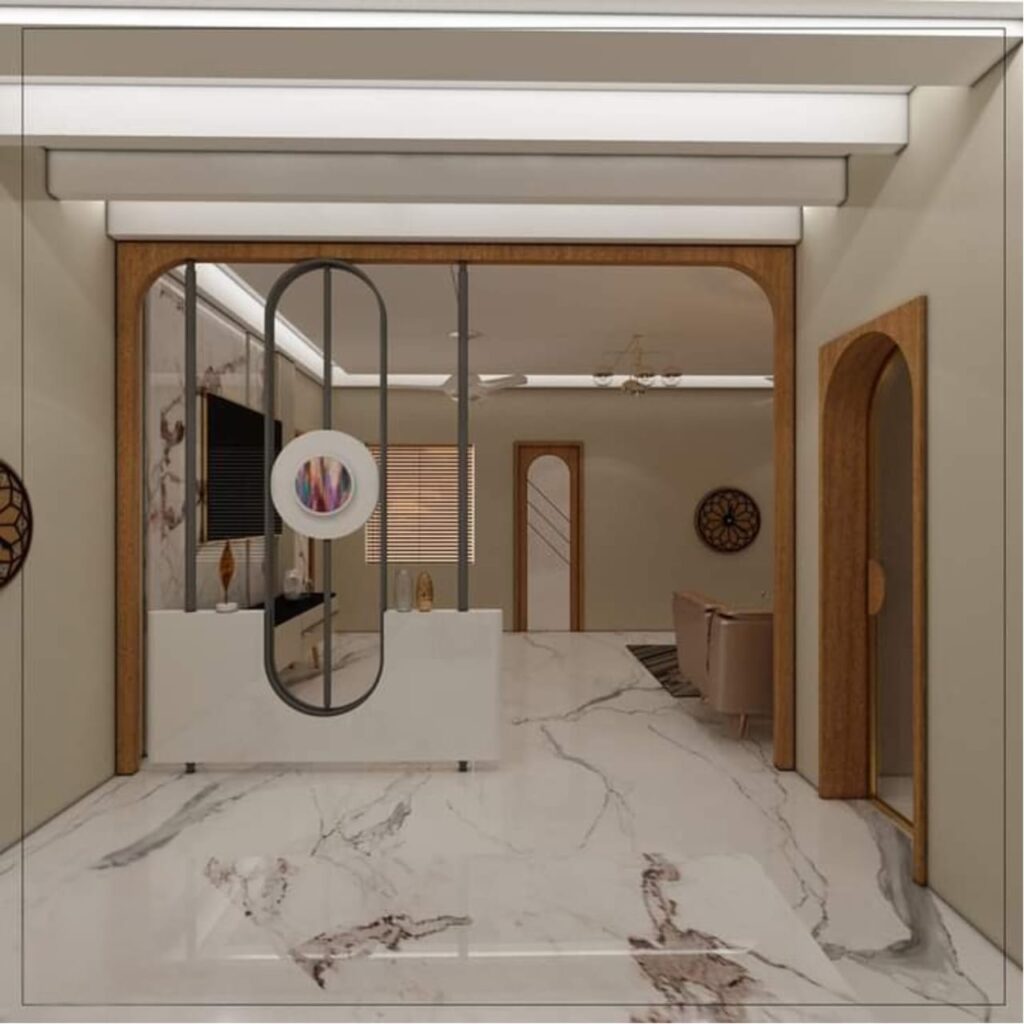
A home should do more than look beautiful. It should make everyday routines easier, provide enough space for the things you need, and reflect the personality of the people living there. From the layout of a living room to the organization of a kitchen, every decision can influence how comfortable and functional a home feels. This is why choosing the right interior designer in Gandhinagar can make a significant difference when building or renovating a home.
Gandhinagar has a diverse residential landscape, including apartments, independent houses, villas, and larger family homes. Each property comes with different dimensions, architectural characteristics, and lifestyle requirements. A design that works perfectly for one home may not be suitable for another.
Professional interior design focuses on understanding these differences before developing a solution. Instead of simply selecting attractive furniture and finishes, designers consider space planning, storage, lighting, materials, furniture placement, and daily routines together. The result is an interior that feels cohesive, practical, and personal.
What Makes Professional Interior Design Valuable?
Interior design is often associated with decoration, but professional design involves considerably more planning. Decoration can improve the appearance of a room, while interior design considers how the entire space functions.
A designer may evaluate:
- Room dimensions and proportions
- Furniture placement
- Natural light
- Artificial lighting
- Storage requirements
- Electrical points
- Material durability
- Movement between spaces
- Family routines
- Long-term requirements
This detailed approach can prevent problems that become expensive to correct later.
For example, selecting a wardrobe after completing the bedroom layout may result in insufficient clearance or reduced movement. Planning the wardrobe during the initial design stage allows its size and position to work naturally with the rest of the room.
The same principle applies to kitchens, living rooms, bathrooms, study areas, and other parts of the home.
Designing Interiors Around Your Lifestyle
There is no single design that can be considered perfect for every homeowner. A family’s priorities should determine how the interior is planned.
A family with children may need durable finishes, additional storage, study areas, and flexible spaces. A couple may prefer an open living area designed for entertaining. Someone who works from home may need a dedicated workspace with comfortable furniture, suitable lighting, and reduced distractions.
Understanding these requirements before creating the design allows the interior to support real-life routines.
This is also why personalization matters. A home should not simply replicate an image found online. Design inspiration can provide ideas, but the final layout should be adapted to the property’s dimensions and the homeowner’s needs.
Making the Most of Available Space
Good planning can make even a modest home feel more comfortable.
One of the first priorities is identifying how every part of the floor plan can be used effectively. Furniture that is too large can make a room feel crowded, while poorly positioned pieces can interrupt natural movement.
Built-in furniture can help eliminate unnecessary gaps. Vertical storage can make better use of walls, while multifunctional furniture can provide additional utility without taking up excessive floor space.
Mirrors, glass, appropriate colours, and well-planned lighting can also influence how spacious a room appears. However, these features work best when supported by an efficient underlying layout.
The objective isn’t simply to make a home appear larger. It is to ensure the available space performs as many useful functions as possible.
Creating a Kitchen That Works Every Day
The kitchen is one of the most frequently used areas of a home, making functionality particularly important.
Homeowners considering a modular kitchen in Gandhinagar often have to choose between numerous cabinet configurations, finishes, countertop materials, storage mechanisms, and appliances. Without proper planning, it is easy to create a kitchen that looks attractive but is inconvenient to use.
A well-designed modular kitchen considers the relationship between preparation areas, cooking zones, appliances, and storage. Frequently used items should be accessible, while less frequently used equipment can be placed in less prominent storage areas.
Cabinet height, drawer configuration, corner storage, countertop space, lighting, and ventilation can all influence everyday convenience.
The visual design matters as well. Cabinet finishes, handles, countertops, backsplash materials, and lighting should complement the wider interior rather than making the kitchen feel disconnected from the rest of the home.
Choosing Materials for Durability and Style
Material selection is an important part of any residential interior project.
A finish that looks attractive may not necessarily be suitable for every room. Kitchens require materials that can handle regular cleaning and exposure to moisture. Bathrooms need appropriate moisture-resistant solutions. High-traffic areas benefit from durable flooring and finishes.
Common interior materials include:
- Laminates
- Veneers
- Engineered wood
- Natural stone
- Quartz
- Glass
- Metal accents
- Decorative wall finishes
- Performance fabrics
The right choice depends on where the material will be used, how frequently the area is used, maintenance expectations, and the available budget.
A professional designer can help balance these considerations instead of choosing materials based only on appearance.
Lighting Can Transform an Interior
Lighting has a major influence on the atmosphere and usability of a home.
A thoughtful lighting plan generally combines ambient, task, and accent lighting. Ambient lighting provides general illumination, task lighting supports activities such as cooking or reading, and accent lighting highlights specific architectural or decorative elements.
Natural daylight should also be considered during planning. Furniture placement, curtains, mirrors, and reflective surfaces can influence how light moves through a room.
Bedrooms may benefit from softer lighting, while kitchens and study areas often require stronger task illumination. Living rooms can use multiple layers to accommodate different activities.
When lighting is planned alongside furniture and materials, it becomes an integral part of the design rather than something added at the end.
Creating Storage Without Sacrificing Style
Storage is essential for maintaining an organized home, but it should not dominate the interior.
Custom wardrobes, built-in cabinets, floating shelves, storage beds, study units, and concealed compartments can provide practical storage while maintaining clean visual lines.
Floor-to-ceiling storage can be particularly useful in homes where floor space is limited. Similarly, customized kitchen cabinets can make use of awkward corners or vertical space that standard furniture might leave unused.
The best storage solutions are those that fit naturally into the overall design. When cabinetry, handles, finishes, and proportions are coordinated with the rest of the interior, storage becomes part of the architecture of the room.
Choosing the Best Interior Designer in Gandhinagar
Homeowners searching for the best interior designer in Gandhinagar should look beyond attractive project photographs. A strong portfolio is useful, but it is only one part of the decision.
Consider whether the designer has experience with properties similar to yours. Someone experienced in large luxury residences may approach a compact apartment very differently from a designer specializing in space-efficient homes.
Communication is equally important. Your designer should understand your requirements, explain recommendations, discuss limitations honestly, and provide a clear picture of how the project will progress.
It is also worth understanding what happens after the design is approved. Material procurement, contractor coordination, site supervision, installation, and finishing can all influence the final quality of the project.
The right designer combines creative thinking with practical execution.
Understanding Interior Design in Gandhinagar
The goal of interior design in Gandhinagar should be to create spaces that respond to the needs of local homeowners while remaining individually personalized.
Different properties may require different approaches. An apartment may need careful space optimization, while an independent house may offer more flexibility for customized furniture and larger living areas.
Similarly, homeowners may have different preferences regarding contemporary, minimalist, traditional, luxury, or modern-classic interiors.
Instead of forcing a property into a predetermined style, professional designers can adapt the concept to its architecture and the homeowner’s preferences.
This approach creates a more natural relationship between the property, its interiors, and the people who live there.
Understanding the Cost of a 3 BHK Interior
Budget is naturally one of the biggest considerations when planning a home renovation. Homeowners researching 3 bhk interior design cost in Gandhinagar should understand that there is no single price applicable to every property.
The total cost can vary depending on several factors, including:
- Size and layout of the property
- Level of customization
- Material selection
- Number of rooms being designed
- Kitchen specifications
- Wardrobe requirements
- Furniture choices
- Lighting
- False ceiling and wall treatments
- Hardware and accessories
- Execution complexity
A budget-conscious homeowner does not necessarily need to compromise on design quality. Prioritizing essential functional elements and selecting materials strategically can produce an attractive result without unnecessary expenditure.
Instead of focusing only on the lowest initial quotation, homeowners should consider durability, functionality, workmanship, and what is actually included in the project.
Creating a Cohesive Home from Room to Room
A well-designed home should feel connected.
This does not mean every room needs to use the same colours or furniture. Instead, subtle design elements can create continuity. Similar materials, complementary colours, consistent hardware, related textures, or repeated architectural details can connect different spaces.
For example, a warm wood finish used in the living room can be repeated in bedroom furniture or kitchen cabinetry. A particular accent colour can appear in artwork, cushions, lighting, or decorative elements across different rooms.
This creates a sense of visual rhythm without making the home feel repetitive.
The concept behind Create a Stylish and Functional Space with an Interior Designer in Ahmedabad | Nirveen Interior can naturally be applied to residential projects in Gandhinagar as well: professional design should bring together style and everyday usability rather than treating them as separate priorities.
Personalizing the Final Interior
The final home should still feel like yours.
Personal photographs, artwork, books, collections, furniture pieces, and other meaningful objects can be incorporated into the design. These elements give the space character and prevent it from feeling like a generic showroom.
A professional designer can help position these personal elements so they complement the overall layout and colour scheme.
Personalization also means allowing room for future changes. A home should be able to evolve as your family, preferences, and requirements change.
Why Choose Nirveen Interior Designer?
Choosing an interior design partner is an important decision because the quality of planning and execution can influence the home for many years.
Nirveen Interior Designer focuses on developing residential interiors that balance aesthetics, functionality, and personalization. The approach considers the property’s characteristics as well as the homeowner’s lifestyle before developing design solutions.
From space planning and furniture layouts to material selection, storage, lighting, and customized interior elements, each part of the home can be considered as part of a larger design system.
For homeowners looking for an interior designer in Gandhinagar, the objective should be more than creating an attractive room. It should be creating a home where every important element has a purpose and contributes to comfortable everyday living.
Conclusion
Choosing the right interior designer in Gandhinagar can make the process of designing or renovating a home more organized, practical, and rewarding. From space planning and storage to modular kitchens, lighting, materials, furniture, and personalized details, every decision influences how the finished home feels and functions. Whether you are searching for the best interior designer in Gandhinagar, planning interior design in Gandhinagar, exploring a modular kitchen in Gandhinagar, or estimating your 3 bhk interior design cost in Gandhinagar, thoughtful planning should remain at the center of the project. With a personalized approach focused on functionality, aesthetics, and quality, Nirveen Interior Designer helps turn residential spaces into comfortable homes designed around the people who live in them.
Frequently Asked Questions
1. What should I consider when choosing an interior designer in Gandhinagar?
Consider the designer’s portfolio, relevant experience, communication, customization capabilities, material knowledge, and execution process. It is also important to choose someone who understands your property’s layout and your lifestyle requirements.
2. How can I find the best interior designer in Gandhinagar?
Start by comparing portfolios and previous projects that are similar to your own. Discuss your design preferences, budget, timeline, and expectations before choosing a designer who can provide both creative solutions and reliable execution.
3. What are the benefits of a modular kitchen in Gandhinagar?
A modular kitchen can provide organized storage, efficient use of space, easier maintenance, and a more coordinated appearance. Its layout and components can also be customized according to the size of the kitchen and the homeowner’s cooking habits.
4. What factors affect 3 bhk interior design cost in Gandhinagar?
The cost depends on the property’s size, level of customization, materials, kitchen and wardrobe requirements, furniture, lighting, wall treatments, hardware, and execution complexity. The final cost can therefore vary significantly between two 3 BHK homes.
5. What does professional interior design in Gandhinagar usually involve?
It can include consultation, space planning, furniture layouts, material selection, lighting, storage planning, colour coordination, customized furniture, and project execution. The exact scope depends on the homeowner’s requirements and the chosen design package.
6. Can an interior designer work within a limited budget?
Yes. A professional designer can prioritize essential areas, recommend suitable materials, and allocate the available budget where it provides the greatest functional and visual benefit. Good planning can often improve the result without requiring unnecessary spending.