
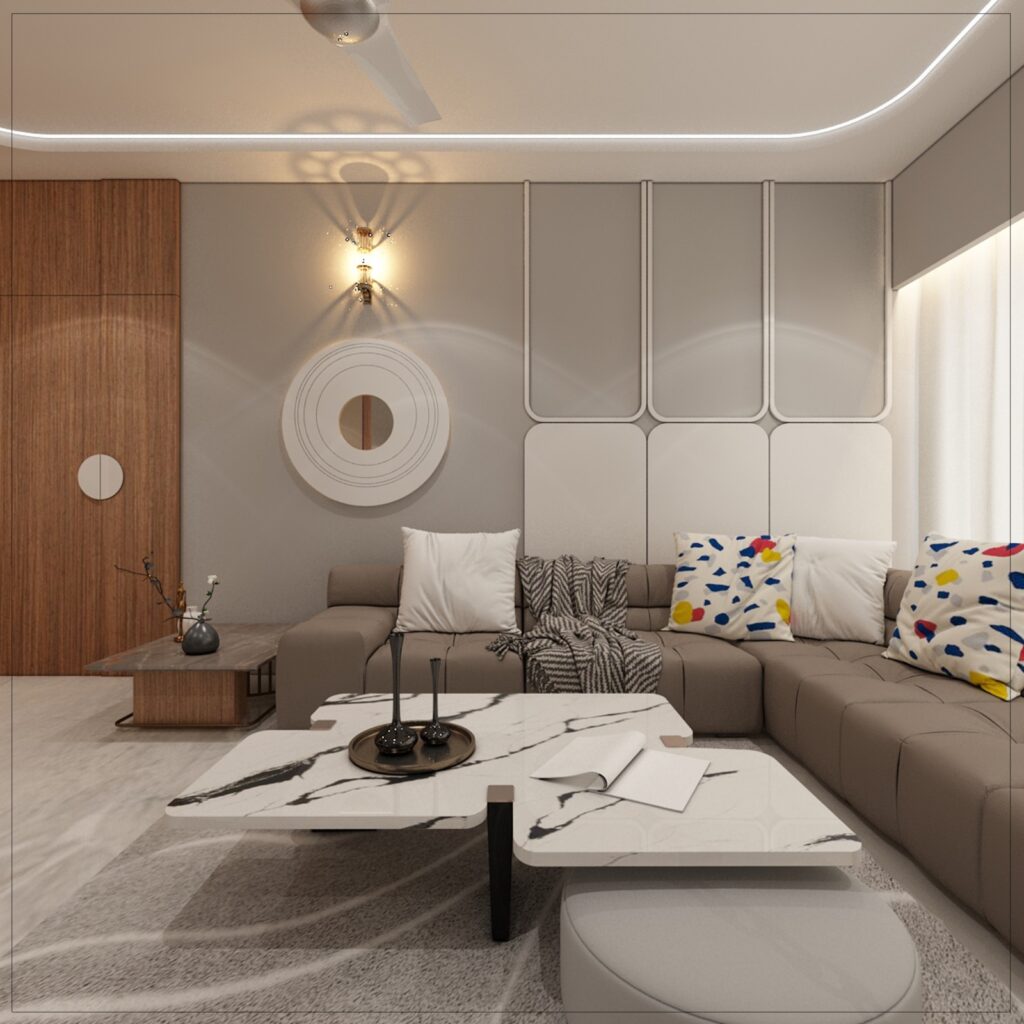
Finding the right professional for your home is about more than choosing someone nearby. The right design partner should understand your lifestyle, available space, practical requirements, and personal taste while helping bring these elements together into a cohesive interior. When homeowners search for interior designers near me, they are often looking for guidance that goes beyond decoration—from space planning and storage to lighting, materials, furniture, and overall functionality.
A thoughtfully designed home should feel comfortable to live in and easy to use every day. Whether you are furnishing a new property, updating an existing home, or redesigning selected rooms, a structured approach can make decisions clearer and help create a space that feels genuinely personal.
Start by Understanding What Your Home Needs
Before contacting a design professional, identify what you want to improve. Perhaps your living room feels crowded, your kitchen lacks adequate storage, or your bedroom needs a better arrangement. Understanding these challenges gives the design process a practical starting point.
Walk through each room and consider how it is currently being used. Think about movement, storage, furniture placement, lighting, privacy, and the activities that take place there. Write down the changes that would make the biggest difference to your daily routine.
It is also useful to consider future requirements. A home may need to accommodate changing family routines, working arrangements, or storage needs over time. Flexible planning can help the interior remain useful beyond the immediate project.
Look Beyond Location When Comparing Professionals
A search for interior designers near me can help you identify accessible professionals, but location should not be the only consideration. The designer’s approach, communication style, planning process, and understanding of functionality can have a greater influence on the final experience.
Review relevant work and look for evidence that the professional can work with different layouts, room sizes, design preferences, and practical requirements. A portfolio should give you an idea of how design decisions are applied rather than simply showing attractive finished photographs.
During an initial discussion, explain the type of property, rooms involved, preferred style, practical challenges, and approximate budget. This can help determine whether the professional’s approach aligns with your expectations.
Prioritize Function Before Decoration
A visually appealing room still needs to function comfortably. Furniture should allow natural movement, storage should be accessible, and lighting should support the activities taking place in the room.
This becomes especially important in smaller homes, where an inefficient arrangement can quickly reduce usable floor space. Larger homes have their own challenges, such as defining different areas without making open spaces feel disconnected.
Space planning should therefore be considered before many decorative decisions. The position of furniture, doors, windows, storage, electrical points, and circulation paths can influence the entire design.
Build a Cohesive Home Interior
Good home interior design considers the relationship between different rooms rather than treating each space as a completely separate project. Living rooms, bedrooms, kitchens, dining areas, and entryways can have different purposes while still sharing a connected visual language.
A consistent palette of colours and materials can help achieve this. Similar textures, complementary finishes, and carefully repeated details can create continuity without making every room look identical.
Personal preferences should remain central to the process. Instead of copying an entire reference image, identify what you actually like about it. It could be the lighting, colour combination, furniture proportions, storage arrangement, or overall atmosphere.
Plan Storage Around Real Habits
Storage should be considered from the beginning of the design process. When wardrobes, cabinets, shelves, and other storage areas are planned alongside the layout, they can become part of the interior instead of appearing as additions later.
Think about what you need to store and how often you use it. Everyday belongings should remain accessible, while seasonal or occasional items can be placed in less accessible areas.
In compact spaces, vertical storage and multifunctional furniture may help make better use of available space. However, storage should not interfere with movement or make the room feel visually heavy.
Make Lighting Work for Different Activities
Lighting affects both the atmosphere and usability of a home. Natural light should be considered alongside artificial lighting so that rooms remain comfortable at different times of day.
A layered approach can combine general illumination with task lighting for activities such as reading, cooking, studying, or working. Accent lighting can also highlight selected artwork, furniture, or architectural features.
Window treatments influence natural brightness, privacy, and comfort. Their selection should take into account the room’s orientation and the amount of sunlight it receives. Planning lighting and electrical points early can prevent inconvenient placements later.
Select Materials for Appearance and Practicality
Materials should be chosen according to how a room will actually be used. Flooring, cabinetry, countertops, wall finishes, upholstery, and other surfaces need to balance appearance with durability and maintenance requirements.
Kitchens and bathrooms may require materials that can handle moisture and regular cleaning. High-traffic areas may benefit from surfaces that are easier to maintain, while bedrooms and living spaces can place greater emphasis on comfort and texture.
Whenever possible, review material samples in the actual room. Lighting can affect how colours and finishes appear, so a material that looks one way in a showroom may feel different once installed at home.
Understand the Role of Interior Design Services
Professional interior design services can bring structure to decisions that might otherwise become overwhelming. Instead of choosing furniture, colours, storage, lighting, and finishes independently, the design process can consider how these elements work together.
The scope of professional support can vary. Some homeowners may need assistance throughout the entire home, while others may require help with a particular room or specific planning challenge.
Before beginning, clarify what is included in the service. Discuss planning, material recommendations, furniture selection, styling, communication, and project coordination so that expectations are clear from the beginning.
Explore Ideas Before Finalizing Your Direction
Research and inspiration can be useful, but they should support your own requirements rather than dictate them. Collect examples of interiors that appeal to you and identify the specific characteristics you would like to incorporate.
The article The Art of Living Well: How Thoughtful House Interior Design Shapes Everyday Comfort offers a perspective on creating interiors that combine personal comfort with practical design thinking. The broader idea is useful when considering your own home: an attractive space should also support the way you actually live.
Rather than asking only whether a design looks good, consider whether it provides sufficient storage, comfortable circulation, appropriate lighting, and easy access to everyday necessities.
Give Your Home a Personal Identity
House interior design becomes more meaningful when the space reflects the people who live there. Artwork, books, photographs, textiles, furniture, and other personal objects can introduce character and prevent the home from feeling generic.
Balance is important. Too many colours, patterns, or decorative objects can create visual clutter. A considered foundation allows meaningful pieces to stand out while maintaining a calm overall appearance.
Each room can also have its own atmosphere. A bedroom may focus on rest, a living room on interaction, and a workspace on concentration. The overall home can remain connected while these individual purposes shape the character of each space.
Think Carefully About Designers and Decorators
The terms interior designer and interior decorator are sometimes used interchangeably, but their roles can differ depending on the professional. Interior design may involve broader considerations such as spatial planning, functionality, materials, lighting, and furniture layouts. Decorating generally focuses more heavily on styling, colours, furnishings, and accessories.
If you are also searching for an interior decorator near me, clarify the services offered before making a decision. Ask whether the professional will address layout and functional planning or primarily focus on the visual aspects of the space.
Understanding the scope beforehand can help you choose professional support that matches the complexity of your project.
Consider Space Planning Before Making Major Decisions
The relationship between furniture, storage, movement, and room dimensions can determine whether an interior feels comfortable or restrictive. Before finalizing major purchases or structural decisions, consider how each element will affect the rest of the room.
Questions about circulation are particularly useful. Can people move easily between rooms? Are frequently used items within reach? Does furniture block windows or doors? Is there enough space around seating and dining areas?
These practical checks can reveal problems early and help create a more natural arrangement.
Make Every Corner Serve a Purpose
A thoughtful approach to space can help prevent areas of the home from becoming wasted or awkward. This does not mean filling every available corner with furniture. Instead, it means understanding which spaces need activity, storage, openness, or visual breathing room.
The principles discussed in The Science of Space Planning: Making Every Corner of Your Home Count are particularly relevant here. Effective planning considers not only what can fit into a room but also how the room should feel and function once everything is in place.
A successful layout should leave enough room for movement while giving important furniture and features appropriate visual space.
Prepare for a More Productive Design Consultation
Before meeting a professional, gather photographs, approximate room measurements, inspiration images, and a list of practical requirements. If possible, identify which aspects of your existing home you want to retain and which you want to change.
Budget preparation is equally important. You do not necessarily need a final figure at the beginning, but having a realistic range can help guide discussions about materials, furniture, finishes, and priorities.
Clear communication makes the process more productive. Explain how you use the home rather than relying only on visual references. This allows the professional to understand the reasoning behind your preferences.
Choose a Professional Based on the Complete Picture
The best choice is rarely based on one factor. Consider design approach, relevant experience, communication, planning methodology, service scope, and how well the professional understands your requirements.
Ask questions before committing. Understand how ideas will be presented, how decisions will be coordinated, and what information you will need to provide throughout the project.
Nirveen Interior Pvt. Ltd. is one option homeowners can explore when considering professional support for their interiors. Sharing your requirements, room details, preferred aesthetic, and budget expectations can help establish a clear starting point for a design conversation.
Conclusion
Finding the right professional involves more than simply searching for interior designers near me. A successful home depends on thoughtful planning, functional layouts, practical storage, suitable lighting, carefully selected materials, and personal details that make the space feel like your own. Taking time to understand your needs and evaluate professionals based on the complete picture can make the design process more focused and productive. Nirveen Interior Pvt. Ltd. can be explored as part of that process for homeowners looking to develop a comfortable, functional, and personalized interior.
Frequently Asked Questions
1. How should I start looking for interior designers near me?
Begin by defining the type of design support you need and identifying the rooms or areas you want to improve. Then compare professionals based on their approach, relevant work, communication, and service scope rather than choosing solely because they are nearby.
2. What should I discuss during an initial consultation?
Discuss your lifestyle, property, room requirements, preferred design direction, practical challenges, and budget expectations. You can also ask about the professional’s planning process, material selection, communication, and project scope.
3. What do interior design services usually include?
Depending on the professional, services may include space planning, furniture layouts, colour concepts, lighting, storage planning, material selection, and coordination of design elements. Always confirm the exact scope before beginning a project.
4. Is an interior designer different from an interior decorator?
The roles can overlap, but interior designers may address broader spatial and functional considerations, while decorators generally focus more on styling and visual elements. The actual scope varies between professionals, so it is best to ask what services are provided.
5. Can an interior professional work with my existing furniture?
In many projects, existing furniture can be considered as part of the design where it fits the new layout and overall direction. Discuss which pieces you want to retain so the professional can plan around them where appropriate.
6. What should I prepare before hiring an interior professional?
Prepare room photographs, approximate measurements, inspiration references, practical requirements, and an estimated budget range. A clear list of priorities can also help the professional understand which improvements matter most to you.