
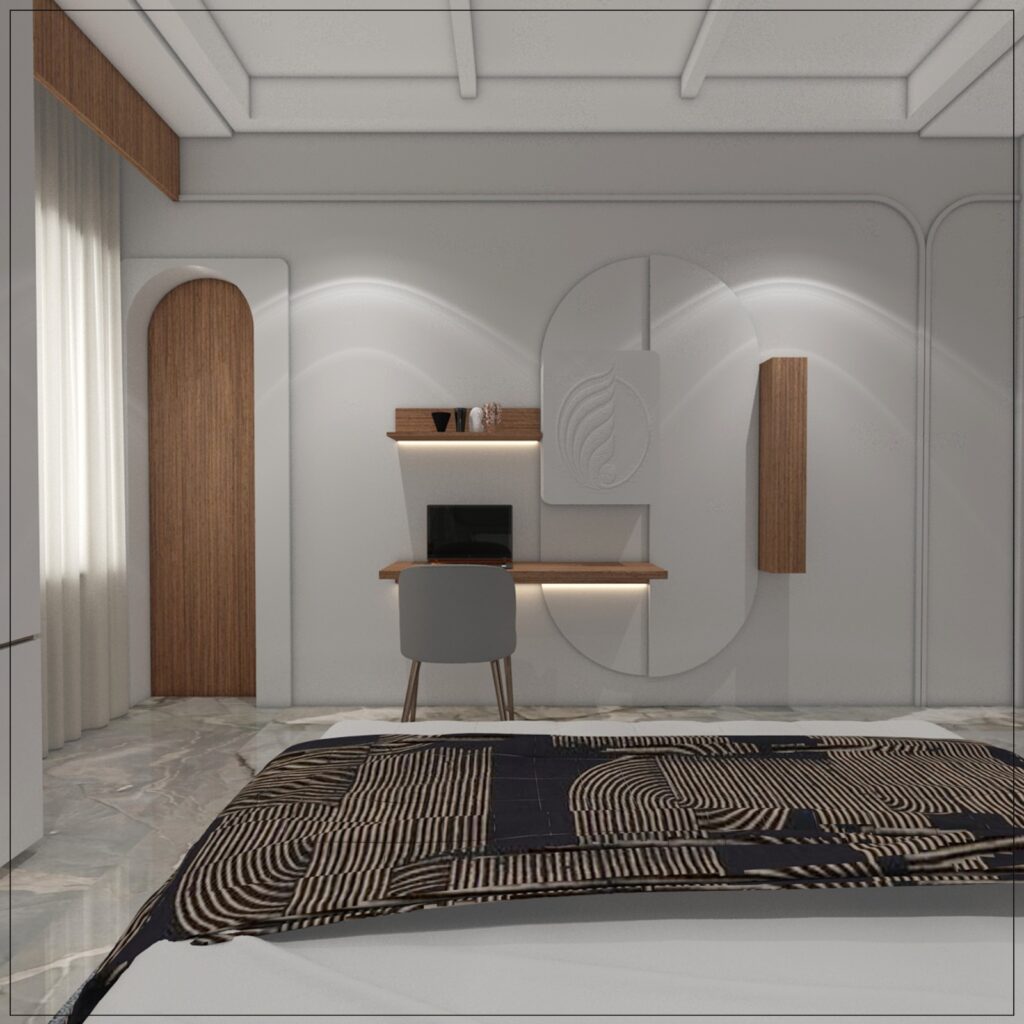
Finding the best interior designer in Ahmedabad is about more than choosing attractive colors, stylish furniture, or impressive decorations. The right designer understands how you live or work, how you use your space, and what you want your surroundings to communicate. A well-designed interior balances appearance, comfort, functionality, and budget while making everyday activities easier.
Whether you are planning a new home, renovating an apartment, or updating a commercial workspace, thoughtful design can help you make better use of every square foot. Ahmedabad offers a wide range of interior design possibilities, from contemporary apartments and traditional homes to professional offices and retail environments. Understanding what separates a good designer from the right designer for your project can help you make a confident decision.
Start With the Way You Want to Use Your Space
Before comparing designers, consider what you need your interior to accomplish. A beautiful room may still feel inconvenient if the furniture blocks movement, storage is insufficient, or the lighting does not support everyday activities.
For a home, think about how family members use shared areas, where additional storage is needed, and which rooms require privacy. A household that frequently entertains guests may prioritize an open living and dining area, while someone who works from home may need a quiet, well-lit workspace.
Commercial interiors have different priorities. Offices require layouts that support concentration, collaboration, circulation, and employee comfort. Retail spaces may need clear product displays and an intuitive customer journey.
Writing down your priorities before meeting a designer gives you a practical starting point. It also helps you explain your expectations clearly and evaluate whether a proposed design addresses your actual needs.
What Makes an Interior Designer the Right Choice?
The best interior designer in Ahmedabad for one project may not be the ideal choice for another. Your decision should depend on the designer’s approach, communication, experience relevant to your project, and ability to work within your requirements.
Consider these factors when reviewing potential designers:
- Understanding of your requirements: The designer should listen carefully before suggesting materials, furniture, layouts, or decorative features.
- Space-planning ability: A good plan makes rooms easier to navigate and uses available space efficiently.
- Design consistency: Colors, textures, lighting, and furniture should work together rather than compete for attention.
- Budget awareness: Recommendations should reflect your financial limits and distinguish essential elements from optional upgrades.
- Clear communication: You should understand the proposed scope, expected deliverables, costs, and responsibilities.
- Attention to detail: Storage dimensions, lighting placement, finishes, and practical requirements can significantly affect the final result.
A designer should be able to explain why a particular choice suits your space instead of relying only on trends. Ask how proposed ideas will improve daily use, maintenance, comfort, or the overall appearance of the interior.
Look Beyond Photographs When Reviewing Portfolios
Portfolio images can help you understand a designer’s aesthetic, but photographs rarely tell the entire story. A carefully staged room might look impressive while revealing little about storage capacity, durability, circulation, or how the space functions in everyday life.
Review completed projects that resemble yours in size, purpose, or budget. If you are planning a compact apartment, for example, look for examples of effective storage, flexible furniture arrangements, and thoughtful use of natural light. If you need an office, examine how workstations, meeting areas, lighting, and shared facilities have been arranged.
Ask questions about the decisions behind a design. Why was a particular layout selected? How were the client’s priorities addressed? Which materials were chosen for durability or maintenance?
You can also request references or ask about the process for handling changes during execution. These conversations may provide a clearer picture of how a designer works than photographs alone.
The article Spaces with Purpose: Choosing an Interior Designer in Ahmedabad for Homes and Workplaces offers a related perspective on how residential and professional environments benefit from planning around their intended use. The central idea is simple: a successful interior should support the people who use it, not merely follow a visual trend.
Residential Design: Create a Home That Fits Your Lifestyle
A home should reflect the people who live in it. Its layout, furniture, colors, lighting, and storage arrangements should support everyday routines while creating an atmosphere that feels personal.
When planning a residential interior, consider the following areas.
Living and Dining Areas
Living rooms often serve several purposes, including relaxation, entertainment, family gatherings, and hosting visitors. Furniture placement should preserve comfortable walking routes while allowing people to interact naturally.
In smaller homes, combining living and dining functions can improve flexibility. Rugs, lighting, furniture orientation, or subtle differences in finishes can define separate zones without making the space feel crowded.
Kitchens and Storage
A practical kitchen depends on the relationship between preparation surfaces, appliances, storage, and movement. Frequently used items should be easy to reach, while cabinets should accommodate the household’s actual cooking habits.
Storage deserves similar attention throughout the home. Wardrobes, drawers, utility cabinets, and appropriately sized shelves can reduce clutter and make rooms easier to maintain. Built-in solutions may be helpful, but they should not consume more usable space than necessary.
Bedrooms and Personal Spaces
Bedrooms benefit from comfortable circulation, suitable lighting, and storage that reflects individual needs. Layered lighting can support different activities, while a balanced combination of colors and textures can create a calm atmosphere.
The goal is not to reproduce a showroom. It is to develop a home that feels comfortable and remains useful as your routines change.
Commercial Interiors: Design for Productivity and Experience
Businesses need interiors that support their operational goals while presenting an appropriate professional image. This is where office interior designers in ahmedabad can help organizations consider layout, employee needs, client interactions, and the practical demands of a workplace.
An office design may include workstations, meeting rooms, private offices, reception areas, storage, and informal collaboration zones. Their arrangement should reflect how teams communicate and how much privacy different activities require.
Lighting is particularly important. Work areas need suitable illumination, while meeting rooms and reception areas may have different requirements. Furniture should support comfortable working positions, and circulation routes should remain clear.
Brand identity can be incorporated through colors, materials, signage, and carefully selected design details. However, decorative elements should not compromise functionality or create unnecessary maintenance.
For retail and other commercial settings, the design should also consider how visitors enter, move through, and interact with the space. A well-planned environment makes essential information easy to find and helps the business present a coherent identity.
Understand the Budget Before Approving a Design
Interior design costs depend on factors such as the size of the property, the scope of work, material choices, furniture requirements, and the level of customization. Establishing a realistic budget early helps you prioritize spending and avoid making decisions based only on appearance.
If affordability is a major concern, searching for low budget interior designers in ahmedabad may help you explore options that better match your financial limits. However, a lower quoted price should not be the only deciding factor. Compare what each proposal includes and check whether important items have been excluded.
A practical budget should account for more than decorative finishes. Depending on the project, expenses may include design fees, furniture, lighting, carpentry, materials, installation, electrical work, and other execution requirements. Ask for clarity on taxes, payment milestones, exclusions, and how changes will be priced.
You can often control costs by making selective upgrades rather than choosing premium finishes everywhere. Standardized cabinet dimensions, versatile furniture, durable materials, and a focused color palette may help create a cohesive result without unnecessary expense.
Prioritize elements that are difficult or costly to change later, such as essential layout decisions and electrical planning. Decorative accessories can usually be added gradually.
How to Compare Designers Without Getting Overwhelmed
Online searches may introduce you to many professionals, and lists using phrases such as top 10 interior designers in ahmedabad can provide a starting point for discovering options. Treat such lists as discovery tools rather than definitive rankings, since selection criteria and project suitability can differ.
Create a shortlist based on your project type, preferred style, budget, and location. Then compare the designers using consistent criteria instead of relying on popularity or a single impressive photograph.
A useful comparison should cover:
- Project relevance: Have they handled spaces with needs similar to yours?
- Design approach: Do their ideas reflect your priorities and preferred style?
- Scope and deliverables: Is it clear what the proposal includes?
- Budget transparency: Can you understand the expected costs and exclusions?
- Communication: Are questions answered clearly and promptly?
- Execution planning: Is there a defined process for coordination, revisions, and project updates?
You should also discuss the expected timeline and identify decisions you will need to make along the way. Material availability, approvals, site conditions, and changes in scope can influence schedules, so it is helpful to understand how these factors will be managed.
Ask the Right Questions Before Making a Decision
A consultation is an opportunity to determine whether a designer’s working style fits your expectations. Prepare a few specific questions rather than relying on a general discussion about making the space beautiful.
Ask how the designer begins a project, what information they need from you, how concepts are presented, and how revisions are handled. Clarify whether the proposal covers design alone or also includes coordination and execution. These services are not automatically the same, so the distinction should be explicit.
Discuss how decisions about materials, furniture, lighting, and finishes will be documented. You should know who approves purchases, who coordinates with contractors when applicable, and how unexpected site conditions are addressed.
It is equally important to share your own priorities honestly. Explain what you want to preserve, what frustrates you about the existing space, which features are essential, and where you are willing to compromise. This makes it easier to evaluate whether the proposed solution is realistic.
Design Beyond the Floor Plan
A floor plan establishes the basic arrangement of a space, but good design also considers the experiences that unfold within it. The way morning light enters a room, the convenience of a frequently used cabinet, the privacy of a home office, and the ease of moving between rooms can all influence how an interior feels.
For more ideas about evaluating residential design needs, Designing Beyond the Floor Plan: Finding Interior Designers Near Me Who Understand Your Home explores the importance of understanding the people who use a home rather than focusing only on its physical layout.
This perspective is useful when discussing your project with a professional. Instead of asking only how a room will look, ask how it will work. Will the layout make everyday tasks easier? Can the storage accommodate your belongings? Does the lighting suit the activities taking place there? Will the materials be practical to maintain?
The answers help turn broad design preferences into decisions that can be discussed, planned, and evaluated.
Making a Confident Final Choice
Selecting an interior designer is a collaborative decision. You bring your lifestyle, goals, preferences, and budget; the designer brings planning skills, design judgment, and a process for developing the space.
Take time to compare proposals, understand the scope, and ask questions before committing. A clear agreement helps both parties understand the expected work, costs, responsibilities, and process for handling changes.
If you are evaluating interior designer in ahmedabad options, focus on the professional who understands your requirements and can explain how the proposed design addresses them. Nirveen Interior Pvt. Ltd. can be considered as you explore interior design possibilities for a home or workplace in Ahmedabad. The right choice should give you confidence not only in the appearance of the finished space but also in the decisions that make it practical, comfortable, and suited to your needs.
Frequently Asked Questions
1. How do I choose the best interior designer in Ahmedabad?
Start by defining your project requirements, preferred style, and budget. Review relevant portfolios, compare written proposals, and discuss communication, deliverables, timelines, and execution responsibilities before making a decision.
2. What should I check in an interior designer’s portfolio?
Look for projects with similar layouts, purposes, or budgets to yours. Pay attention to space planning, storage, lighting, material choices, and how the design addresses practical needs rather than evaluating photographs on appearance alone.
3. Are affordable interior design options available in Ahmedabad?
Yes, you can explore different design scopes, materials, and furniture options to suit your budget. Ask for an itemized proposal and clarify exclusions so you can compare the actual scope of work rather than just the headline price.
4. What do office interior designers in Ahmedabad consider when planning a workspace?
They may consider team size, work patterns, privacy, meeting requirements, lighting, circulation, storage, and brand identity. The final layout should reflect how the organization operates and how employees and visitors use the space.
5. Should I use a list of the top 10 interior designers in Ahmedabad to make my choice?
Such lists can help you discover potential designers, but they may not reflect your specific requirements or budget. Shortlist professionals based on relevant experience, proposal clarity, design approach, and how well they understand your project.
6. When should I contact an interior designer for a new home or office?
It is usually helpful to consult a designer early, before major layout, electrical, storage, or material decisions are finalized. Early planning can help coordinate design choices and reduce the likelihood of avoidable changes later.