
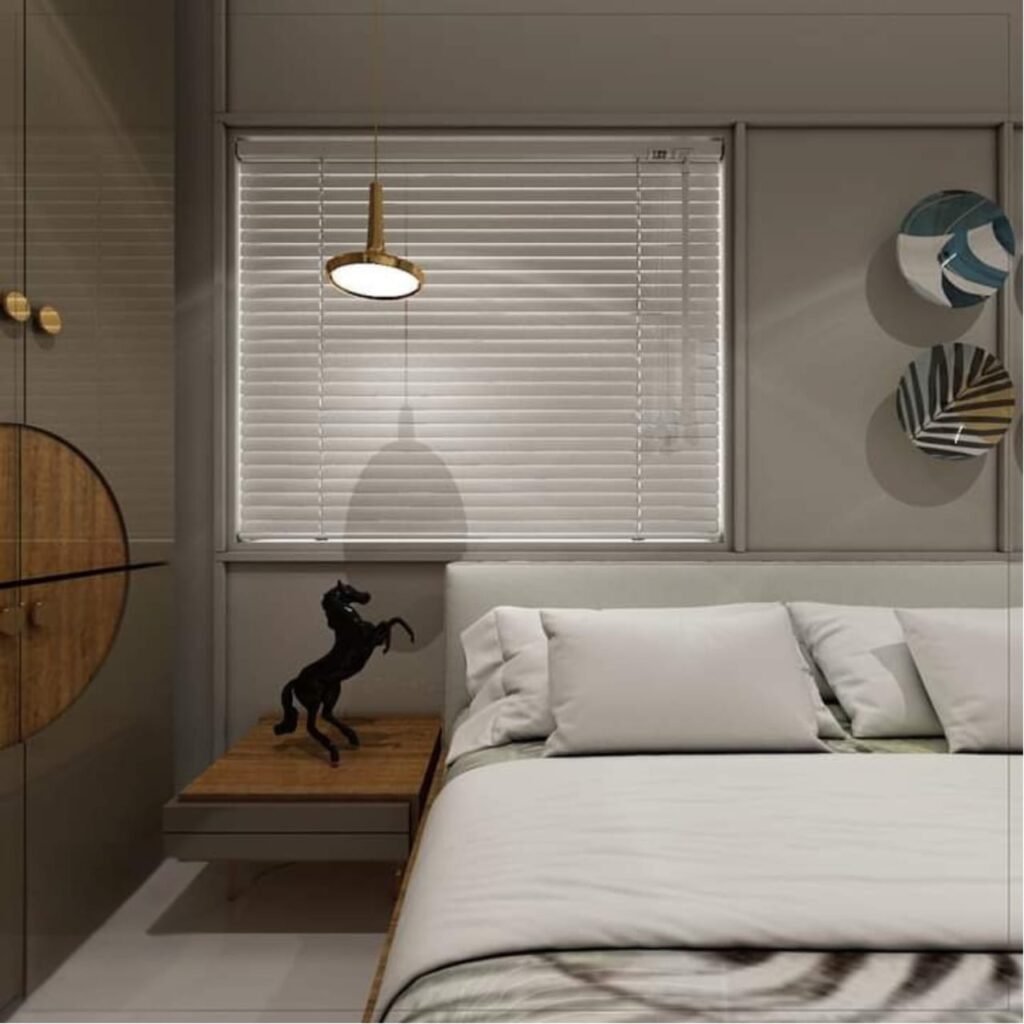
A well-designed home should make everyday life easier, not simply look attractive in photographs. Layout, storage, lighting, furniture proportions, materials, and maintenance all influence how comfortably a space works over time. For homeowners considering an interior designer in Surat, understanding these elements can make the design process more focused and practical.
Every home has different requirements. A compact apartment may need careful space optimization, while a larger residence may require better zoning between living, dining, bedrooms, and utility areas. Budget also affects the choices available, making it important to establish priorities before selecting finishes or decorative features.
Professional interior planning can bring these considerations together and help homeowners develop a space that reflects their lifestyle while remaining functional.
Begin With the Purpose of Each Space
Interior design should begin with understanding how a property will be used. A living room may need to accommodate family gatherings, entertainment, and relaxation, while a bedroom may prioritize storage and comfort. A spare room might need to function as a study, guest room, or flexible workspace.
This understanding influences furniture placement, storage requirements, lighting, and circulation.
Before selecting products, homeowners can make a simple list of what each room needs to accomplish. This helps distinguish essential requirements from optional features.
For example, if a bedroom requires substantial wardrobe space, that requirement should influence the layout before decorative elements are finalized. Similarly, if a living room is used frequently for entertaining, seating and movement should be considered before selecting a large centerpiece.
This functional-first approach can help prevent expensive changes later in the project.
Establishing a Realistic Interior Budget
A design budget should account for more than furniture and visible finishes. Depending on the scope, homeowners may need to consider cabinetry, storage, lighting, electrical requirements, materials, furniture, and other project elements.
People researching interior designer fees in Surat may find different figures because professional fees and project costs can vary according to scope, complexity, customization, and the extent of design involvement.
Instead of focusing only on a single fee figure, homeowners should understand what is included in the proposed scope. A clear discussion can help identify whether the design covers planning, material selection, space optimization, furniture recommendations, or other requirements.
It is also useful to divide the budget into priorities. Essential functional elements should generally be established before optional decorative upgrades are considered.
Creating Value With Budget-Conscious Design
A limited budget does not mean that every design decision has to be reduced to the cheapest available option. The more useful approach is to identify where spending provides meaningful long-term value.
For example, frequently used cabinetry or high-contact surfaces may justify durable materials, while easily replaceable decorative elements can be selected more flexibly.
The same principle applies to furniture. A properly proportioned sofa that supports comfortable movement may contribute more to a room than several decorative pieces that occupy valuable floor space.
This value-focused philosophy is reflected in Practical Design Without Compromise: Getting More Value from Budget Interior Designers in Mumbai, where practical planning, functionality, and thoughtful allocation of resources are treated as important parts of interior design.
Although the locations differ, the underlying principle remains useful: a design budget should support the way people actually use their homes.
Making Better Use of Available Space
Space planning can significantly influence how a home feels. Even a reasonably sized room can become uncomfortable if furniture is oversized or circulation routes are obstructed.
Furniture should be selected according to the dimensions of the room. Adequate clearance should be maintained around beds, dining tables, sofas, wardrobes, and other major pieces.
Storage also requires careful planning. Too little storage can quickly create clutter, while excessive cabinetry can make a room feel unnecessarily enclosed.
Vertical storage can be useful in compact homes because it makes use of wall height without taking as much floor area. Built-in solutions can also be designed around specific dimensions, although customization should be used selectively when it provides genuine functional value.
A professional designer can help assess these relationships before furniture and cabinetry decisions are finalized.
Planning a Functional Living Room
The living room is often one of the most frequently used areas of a home, so comfort and circulation should remain central to its design.
A seating arrangement should reflect the way the household uses the room. Families who regularly spend time together may need comfortable seating and accessible entertainment storage, while homes used for frequent gatherings may require more flexible seating arrangements.
The room should also retain enough open space for movement. Filling every available area with furniture can make a room feel smaller and less comfortable.
Lighting can then be layered around the activities taking place in the room. General lighting can provide overall visibility, while focused or accent lighting can support reading, artwork, or selected architectural elements.
Designing Kitchens Around Daily Habits
The kitchen is one of the areas where practical planning has a direct effect on everyday convenience.
Before selecting cabinetry, homeowners should consider cooking habits, appliance placement, storage needs, countertop space, and accessibility.
Frequently used utensils and ingredients should be positioned where they can be reached easily. Less frequently used items can be placed in higher or deeper storage.
Cabinet layouts should also account for appliance dimensions and available working areas. A visually appealing kitchen can still become frustrating if preparation space is insufficient or movement between key areas is restricted.
Materials should be considered according to exposure to moisture, heat, spills, and repeated cleaning. The most suitable finish is not necessarily the most expensive one; it is the one that fits the intended application and maintenance expectations.
Understanding 2 BHK Interior Design Costs
Homeowners researching 2 bhk interior design cost in Surat should be cautious about assuming that every two-bedroom project will have the same budget.
Cost can vary depending on the number of rooms being designed, the level of customization, storage requirements, kitchen scope, furniture, materials, lighting, and finishes.
A practical way to approach the budget is to identify the elements that are essential to the home’s functionality. Once these are established, homeowners can determine which additional features are worth including.
A smaller apartment may also require more thoughtful space optimization. Multipurpose furniture, efficient storage, and appropriately scaled pieces can sometimes provide greater practical value than simply adding more design elements.
The final objective should be a home that works well within the available financial and physical constraints.
Selecting Materials for Everyday Use
Material selection should balance appearance, durability, maintenance, and cost.
High-use areas may require materials that can withstand frequent contact and cleaning, while decorative areas can offer more flexibility. The choice should also take into account the overall visual relationship between flooring, cabinetry, walls, furniture, and other surfaces.
Using too many unrelated materials can make a home feel visually fragmented. A more coordinated palette can provide continuity without making every room identical.
Homeowners can also distinguish between permanent and changeable elements. Fixed finishes deserve careful consideration because replacing them later may be more difficult, whereas accessories and movable furniture can be updated more easily.
Getting Lighting Right From the Beginning
Lighting should be considered during the planning stage rather than treated as a finishing detail.
Different rooms and activities require different types of illumination. General lighting provides overall visibility, task lighting supports specific activities, and accent lighting can emphasize selected design features.
Natural light is equally important. Window placement, furniture arrangement, curtains, and reflective surfaces can affect how daylight moves through a room.
Electrical points and fixture positions should be coordinated with furniture and cabinetry. Planning these elements together can help avoid situations where a beautifully designed room has inconveniently placed switches, outlets, or lights.
Personalizing a Home Without Overcrowding It
An interior should reflect the people who live there, but personalization does not require filling every surface with decorative objects.
A few carefully selected elements can establish character. Artwork, textiles, furniture, colors, textures, and accessories can all contribute to the identity of a room.
The key is balance. A strong accent can become less effective if it competes with several other focal points.
Homeowners can also allow individual rooms to have different personalities while maintaining continuity through related materials, colors, or finishes. This creates variety without making the home feel disconnected.
Evaluating an Interior Designer in Surat
When comparing an interior designer in Surat, homeowners may naturally begin with portfolios. A portfolio can provide insight into design style and previous work, but it does not reveal every aspect of the design process.
It is useful to discuss practical requirements before making a decision. Homeowners can consider how the designer approaches space planning, storage, material selection, budget priorities, and revisions.
Communication is another important consideration. Interior projects involve many decisions, and homeowners should be able to understand why particular solutions are being proposed.
A designer’s approach should also be adaptable. The layout and requirements of one home may be very different from another, so copying a previous project without considering the property’s actual characteristics may not produce the desired result.
Avoiding Common Interior Design Mistakes
Several problems can often be prevented through better planning.
Buying furniture before confirming measurements can result in poor circulation. Delaying storage planning can leave insufficient room for everyday belongings. Choosing finishes based only on appearance can create maintenance difficulties later.
Another common issue is trying to include too many design ideas in one space. A room can become visually crowded when several strong colors, patterns, materials, and decorative features compete for attention.
Budget can also become difficult to control when decisions are made without an overall priority structure. Establishing the scope early can help homeowners distinguish between essential work and optional enhancements.
Balancing Style With Long-Term Usability
A home should remain useful after the initial excitement of completion has passed. This means considering how the space may need to adapt over time.
Storage should allow for changing possessions. Furniture arrangements should permit reasonable flexibility. Rooms that can support more than one activity may also provide greater long-term usefulness.
Trendy elements can be incorporated through changeable features such as textiles, artwork, accessories, and selected furniture. More permanent components can remain relatively adaptable.
This approach allows homeowners to update the appearance of their home later without requiring a complete redesign.
The same broader philosophy appears in Beyond Decoration: Making Better Choices with an interior designer in Vadodara, where practical decisions involving space, storage, lighting, materials, and everyday usability are treated as important parts of the design process.
Comparing Designers Beyond Simple Rankings
Homeowners searching for the best interior designer in Surat may encounter recommendations, lists, and portfolios online. These resources can help with initial research, but a ranking alone does not establish whether a particular designer fits a specific project.
A more useful comparison can focus on the project’s actual requirements. Homeowners can examine relevant experience, design approach, communication, planning process, budget alignment, and the ability to adapt solutions to the available space.
It can also be helpful to discuss the expected scope before comparing costs. Two proposals with different prices may not include the same level of work or materials.
Understanding these differences allows homeowners to compare options based on the actual project rather than a headline figure.
Building a Home Around Real Life
Good interior design does not require every room to be elaborate. A successful home can be built around clear circulation, useful storage, appropriate lighting, comfortable furniture, durable materials, and a layout that supports everyday routines.
The visual character can then develop around these functional foundations.
This approach is particularly valuable when homeowners want to control costs. Instead of trying to reproduce an expensive reference image, they can identify which design decisions genuinely improve the way they live.
Professional guidance can help translate those priorities into a cohesive plan while keeping the available space and budget in consideration.
Conclusion
Choosing an interior designer in Surat involves more than comparing visual styles or looking for the lowest project cost. Good interior planning considers how rooms are used, how furniture fits, where storage is needed, which materials suit everyday conditions, and how the budget should be prioritized.
For homeowners considering budget interior designers in Surat, a thoughtful process can help direct spending toward practical improvements without sacrificing the character of the home. Nirveen Interior Pvt. Ltd. can be considered when exploring interior design options in Surat and developing a space around specific lifestyle, functional, and budget requirements.
FAQs
1. What should I consider when choosing an interior designer in Surat?
Consider the designer’s approach to space planning, storage, materials, lighting, budget, and communication. Reviewing relevant portfolios and discussing your actual requirements can provide more useful information than relying only on general rankings.
2. How much do interior designer fees in Surat usually cost?
There is no single fee applicable to every project. Fees can vary according to the scope of design work, property size, complexity, customization, and the services included in the agreement.
3. How can I keep my interior project within budget?
Start by identifying essential requirements and setting priorities before selecting materials or decorative features. Spending should be evaluated according to practical value, durability, maintenance, and how strongly each element contributes to everyday use.
4. What affects 2 BHK interior design cost in Surat?
The cost can depend on the project’s scope, kitchen requirements, storage, furniture, materials, lighting, finishes, and customization. Two 2 BHK homes can therefore have significantly different interior requirements and budgets.
5. Is a budget interior design approach suitable for a small apartment?
Yes. Budget-conscious planning can be particularly useful in compact apartments because it encourages homeowners to prioritize space efficiency, storage, furniture proportions, and essential functionality instead of adding unnecessary features.
6. How can I make my interior remain useful for many years?
Focus on durable materials where appropriate, adaptable furniture arrangements, sufficient storage, and practical lighting. More changeable design elements such as accessories and textiles can be updated over time without requiring major structural changes.