
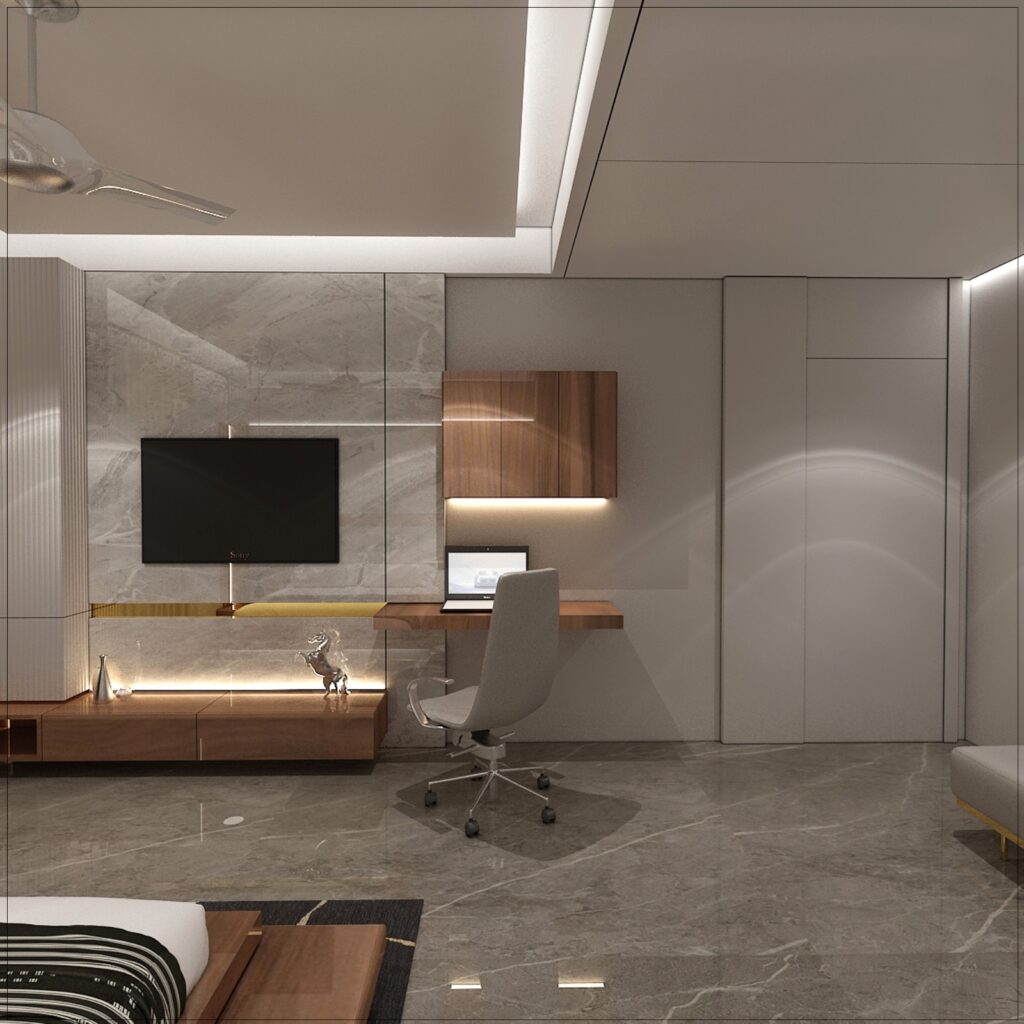
Designing a home that feels comfortable, looks elegant, and supports everyday living does not always require an extravagant budget. With thoughtful planning, practical material choices, and a clear understanding of your priorities, you can create an attractive living space without unnecessary expenses. Working with budget interior designers in mumbai can help homeowners make informed decisions about layouts, furniture, lighting, storage, and finishes while keeping the overall project aligned with their financial plans.
Mumbai homes come in different sizes and layouts, from compact apartments to spacious family residences. Each type of home presents unique design challenges, including limited storage, space optimisation, natural lighting, and the need to balance aesthetics with functionality. A well-planned interior considers these requirements before selecting decorative elements or expensive materials.
The key is to understand where professional design guidance can make the biggest difference. Instead of spending on every design trend, homeowners can focus on improvements that make their homes more comfortable, organised, and visually appealing. With a practical approach, even a modest interior design budget can deliver meaningful results.
Understanding your interior design budget before starting
The first step towards creating an affordable interior is establishing a realistic budget. Before choosing colours, furniture, or decorative finishes, consider how much you can comfortably invest in the project. This amount should account for essential work, furnishings, installation, and a contingency for unexpected expenses.
A clear budget also helps determine which areas of your home require immediate attention. For example, a family that needs additional kitchen storage may prioritise cabinetry and internal organisers over decorative wall treatments. Similarly, homeowners working with a compact living room may benefit more from carefully selected furniture than from expensive decorative accessories.
Separate essential expenses from optional upgrades
Every interior project includes elements that directly affect everyday functionality and others that primarily enhance appearance. Identifying the difference helps prevent unnecessary spending.
Essential requirements may include electrical improvements, functional storage, kitchen fittings, comfortable furniture, and suitable lighting. Optional upgrades might include elaborate ceiling designs, decorative wall panels, premium finishes, or customised furniture with specialised detailing.
This does not mean avoiding decorative features altogether. Instead, it involves deciding which improvements offer the greatest value for your lifestyle and available budget.
Plan for unexpected expenses
Interior projects can involve additional costs when measurements change, existing fittings need replacement, or materials become unavailable. Setting aside a contingency amount can help manage these situations without disrupting the entire project.
Discussing the scope of work, material specifications, payment schedule, and installation requirements in advance also makes budgeting easier. A detailed plan reduces confusion and allows homeowners to compare design options more confidently.
Making design choices that reflect your lifestyle
A successful home interior should reflect the people who live in it. Before selecting a particular style, consider your daily routines, family requirements, storage habits, and preferences. These details influence the layout and help determine which design features are worth investing in.
The ideas explored in Create a home that reflects your lifestyle with the best interior designer in mumbai highlight an important principle: a beautiful home should be designed around the homeowner rather than built entirely around changing trends.
For example, a family with children may require durable surfaces, accessible storage, and furniture that is easy to maintain. Someone working from home may need a comfortable workstation, appropriate lighting, and a quieter corner for focused tasks. A couple living in a compact apartment may prefer multifunctional furniture that keeps the home organised without making it feel crowded.
Choose a design style that remains practical
Minimalist, contemporary, and modern interiors can all work within different budget ranges when the design is planned carefully. The best approach is to select a style that suits your preferences and can be achieved using materials and furnishings within your price range.
Neutral wall colours, coordinated finishes, simple furniture profiles, and carefully selected accessories can create a cohesive appearance without requiring elaborate decorative treatments. If you prefer a more distinctive look, introduce colour through cushions, artwork, rugs, or selected accent walls.
A consistent design direction also prevents unnecessary purchases. When furniture, colours, lighting, and finishes complement one another, the home can feel more polished without relying on expensive individual pieces.
Practical ways to maximise your interior design budget
Affordable interior design involves more than choosing inexpensive materials. It requires understanding how different design decisions affect the appearance, usability, and long-term maintenance of a home.
Make the most of available space
Space planning is especially important in Mumbai, where apartments may have limited floor areas. Poorly positioned furniture can make a room feel smaller, while a thoughtful arrangement can improve movement and create a more open atmosphere.
Start by identifying the main activities that take place in each room. In the living room, ensure that seating allows comfortable conversation and leaves sufficient walking space. In bedrooms, position the bed and wardrobes to make everyday movement convenient. In dining areas, choose furniture that suits the available floor space instead of selecting oversized pieces.
Wall-mounted shelves, storage beds, and appropriately sized wardrobes can help reduce clutter. However, built-in solutions should be selected according to actual storage needs rather than installed everywhere by default.
Select materials according to use and maintenance
Material selection affects both the initial investment and the effort required to maintain the home. A material that appears inexpensive at first may require more frequent repairs or replacement, while a more durable option may offer better long-term value.
Consider how frequently a surface will be used, how much maintenance it requires, and whether it suits your household. Kitchen countertops, wardrobe finishes, flooring, and upholstery should be selected with their intended use in mind.
Ask for material samples and compare their appearance under different lighting conditions. Confirm specifications, thickness, finish, hardware quality, and warranty terms wherever applicable. These details make it easier to compare quotations accurately rather than judging options by price alone.
Use lighting to improve the atmosphere
Lighting can influence how spacious, comfortable, and welcoming a home feels. A balanced lighting plan generally combines natural light with suitable artificial lighting for different activities.
Use task lighting in areas where you cook, read, work, or get ready. Ambient lighting provides general illumination, while accent lighting can draw attention to artwork or selected architectural features.
Instead of installing numerous decorative fixtures, focus on placing lights where they serve a clear purpose. Keeping window areas unobstructed, using light-coloured surfaces where appropriate, and choosing suitable curtain fabrics can also help make better use of daylight.
Designing attractive interiors without unnecessary customisation
Custom furniture can solve specific storage or layout problems, but extensive customisation may increase the project cost. The goal is to determine where bespoke solutions are genuinely useful and where standard furniture can work just as well.
For instance, a custom wardrobe may be worthwhile when an unusual wall dimension makes standard options impractical. In another room, a ready-made bed, side tables, or dining set may provide the required functionality without additional fabrication.
A combination of ready-made furnishings and selected customised elements can help maintain design consistency while controlling expenses. Before approving custom furniture, review its measurements, internal layout, hardware, finish, and installation requirements.
Invest in the areas that matter most
Not every room needs the same level of investment. Consider which spaces you use most frequently and which improvements will have the greatest practical impact.
A homeowner who cooks regularly may prioritise an efficient kitchen layout and accessible storage. Someone who entertains guests may focus on comfortable living-room seating and appropriate lighting. A family with limited storage may benefit from well-planned wardrobes and concealed organisation systems.
Prioritising these needs helps distribute the available budget more effectively. Decorative additions can then be introduced gradually instead of increasing the initial project scope unnecessarily.
Creating comfortable and stylish rooms with thoughtful planning
Every room serves a different purpose, so an effective interior plan should address individual requirements while maintaining a consistent appearance throughout the home.
The principles discussed in Creating a comfortable and stylish home starts with the right interior designer in mumbai reinforce the importance of balancing everyday comfort with visual appeal. Good design considers how people move through a space, where belongings are stored, how lighting changes throughout the day, and which materials suit their routines.
Living rooms that feel welcoming
The living room often serves several purposes, including relaxing, entertaining guests, and spending time with family. Choose seating according to the room’s dimensions and arrange it to support conversation without blocking circulation.
A well-proportioned sofa, a practical centre table, and a limited number of complementary accessories can create a balanced appearance. If storage is necessary, consider furniture that combines seating or display functions with useful storage space.
Wall colours and soft furnishings can introduce personality without requiring extensive renovations. Coordinating a few colours across the room often creates a more cohesive effect than using too many unrelated patterns and finishes.
Bedrooms designed for rest and organisation
A comfortable bedroom should support relaxation while providing enough storage for everyday belongings. The bed, wardrobe, bedside tables, and lighting should be arranged according to the room’s dimensions.
Sliding wardrobes may be useful where there is insufficient space for hinged doors to open comfortably. Under-bed storage can help accommodate seasonal belongings, while bedside lighting provides convenience without requiring additional floor space.
Soft colours, practical curtains, comfortable bedding, and restrained decoration can make the room feel peaceful. Expensive decorative features are not essential when the layout and basic furnishings already meet the homeowner’s needs.
Kitchens that combine efficiency and appearance
A kitchen should support convenient movement between preparation, cooking, cleaning, and storage areas. The layout, cabinet arrangement, appliance placement, and countertop dimensions should be considered before selecting finishes.
Cabinet interiors can be organised with suitable shelves, drawers, and dividers according to the household’s cooking habits. Easy-to-clean finishes may also reduce maintenance efforts over time.
Rather than investing in every available accessory, identify the storage and functional improvements that will make the greatest difference to daily use. This approach helps keep the kitchen practical and visually consistent.
Choosing the right professional for your home
Finding an interior designer in mumbai involves more than comparing portfolio photographs or selecting the lowest quotation. A suitable professional should understand your requirements, communicate clearly, explain material options, and work within the agreed project scope.
Start by reviewing previous projects to understand the designer’s approach to space planning, finishes, storage, and overall functionality. Ask whether their experience includes homes of a similar size or layout to yours. This can help you assess whether their design approach matches your expectations.
Compare quotations carefully
Request a detailed quotation that identifies the proposed work, material specifications, furniture, hardware, installation, and any applicable additional charges. Check whether design fees, transportation, taxes, and other expenses are included or billed separately.
Comparing quotations item by item can reveal important differences between proposals. One quotation may include more storage, better hardware, or additional installation work, while another may cover only basic requirements.
Avoid choosing a professional solely because the initial price is lower. A clear scope of work, realistic timeline, and transparent communication are also important when evaluating the overall value of a project.
Discuss timelines and communication
Before work begins, establish how design revisions will be handled, when material selections must be finalised, and how progress updates will be shared. Clarify who will coordinate measurements, suppliers, installation, and any changes to the approved plan.
Written agreements help both parties understand their responsibilities. They also provide a reference if the scope, budget, or schedule needs to be reviewed during the project.
Conclusion
Creating an attractive home on a reasonable budget begins with understanding your priorities, planning the available space, and selecting materials that balance appearance with everyday practicality. From efficient kitchens and organised bedrooms to comfortable living rooms, thoughtful design decisions can improve the way your home looks and functions without requiring unnecessary expenditure.
Choosing budget interior designers in mumbai can help you evaluate design possibilities, manage your requirements, and make informed decisions throughout the process. By comparing detailed quotations, focusing on essential improvements, and avoiding unnecessary customisation, you can work towards a home that reflects your lifestyle and financial priorities.
Nirveen Interior Pvt. Ltd. can be considered as you explore interior design possibilities for your Mumbai home. Begin with a clear understanding of your needs, discuss your expectations, and develop a design plan that balances comfort, functionality, and style.
Frequently asked questions
1. How can I plan an affordable home interior in Mumbai?
Start by setting a realistic budget and listing your essential requirements. Prioritise space planning, storage, functional furniture, and suitable lighting before allocating money to decorative upgrades. Obtain detailed quotations so you can compare the scope and specifications of different proposals.
2. What should I consider before hiring an interior designer?
Review previous projects, discuss your budget and requirements, and request a clear quotation. You should also understand the proposed materials, project timeline, payment terms, installation arrangements, and process for handling design changes.
3. Can a small Mumbai apartment have a stylish interior?
Yes. A small apartment can feel attractive and comfortable when its layout is planned carefully. Appropriately sized furniture, well-organised storage, coordinated colours, and effective lighting can improve the use of available space without overcrowding the rooms.
4. Which interior design elements should I prioritise on a limited budget?
Priorities depend on your lifestyle and the condition of your home. Functional kitchen storage, suitable wardrobes, comfortable furniture, effective lighting, and durable high-use surfaces are common considerations. Address essential requirements before investing in optional decorative features.
5. How do I compare interior design quotations accurately?
Compare the detailed scope of work, materials, hardware, furniture, installation, design fees, taxes, and other applicable charges. Ensure that each quotation covers similar requirements so you can assess the differences in cost and value more fairly.
6. How can I find the best interior designer in Mumbai for my requirements?
Look for a professional whose experience, design approach, communication style, and proposed solutions match your needs. Discuss your budget openly, review relevant projects, and understand the complete quotation before making a decision.